

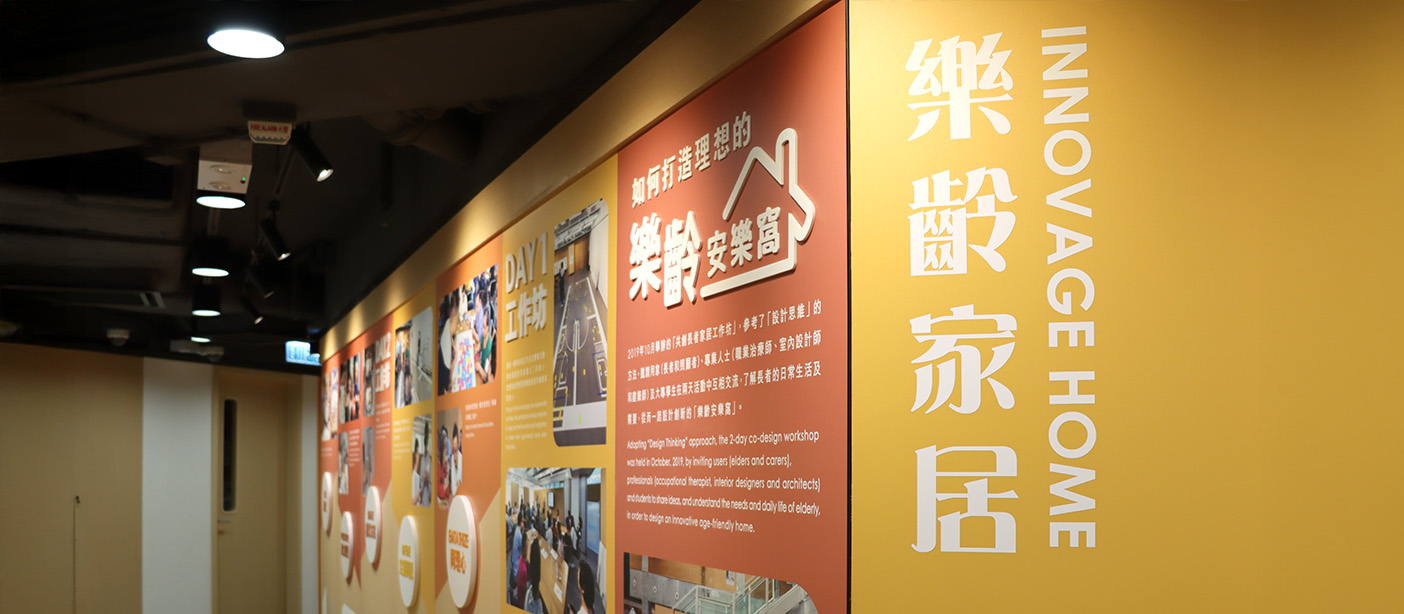
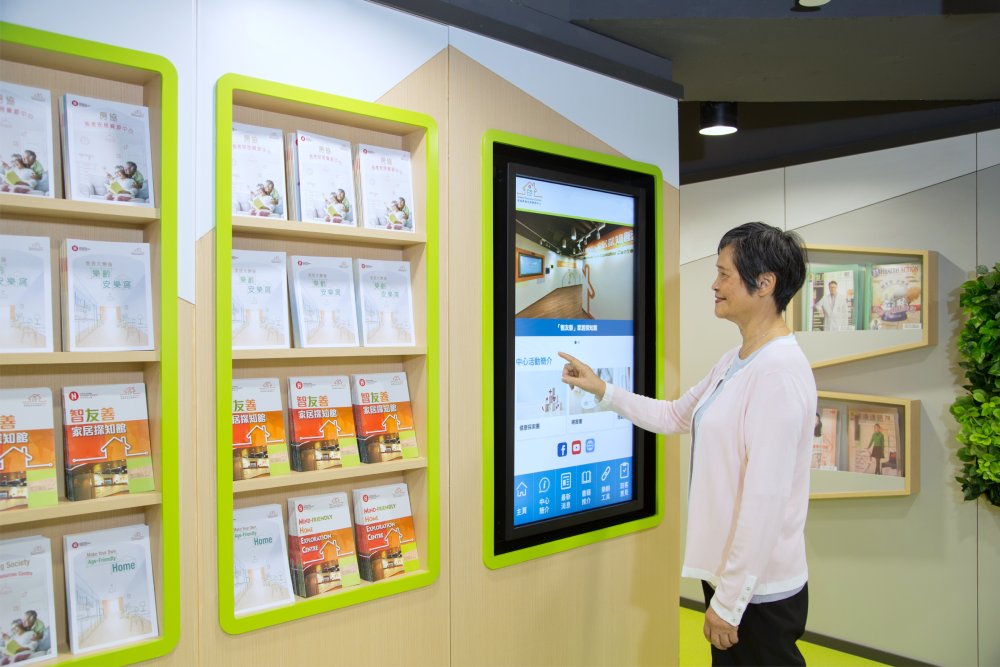
In late 2017, ERC launched the city's first Mind-Friendly Home Exploration Centre, showcasing home design solutions tailored for individuals with dementia. In 2022, the Age-Friendly Home Living Lab was established to promote "User Driven – Experience-Focused" innovations, encouraging the development of gerontechnology and age-friendly products.
According to the Social Return on Investment (SROI) study commissioned by the Hong Kong Housing Society and conducted by the University of Hong Kong (2018), for every $1 invested by ERC, $3.18 in social value is generated, bringing significant benefits to older adults, carers, and society as a whole.
Service Philosophy
ERC is committed to promoting ageing in place through three key dimensions: Supportive Environment, Engaged Lifestyle, and Active Ageing.
Supportive Environment
Age-Friendly Living
Building Mutual Support Community

Ageing In Place
Engaged Lifestyle
Wellness of Body and Mind
Joyful and Inclusive Community Life
Active Ageing
Autonomy and Empowerment, Nurturing Healthy Longevity
Supportive Environment
Age-Friendly Living, Building Mutual Support Community
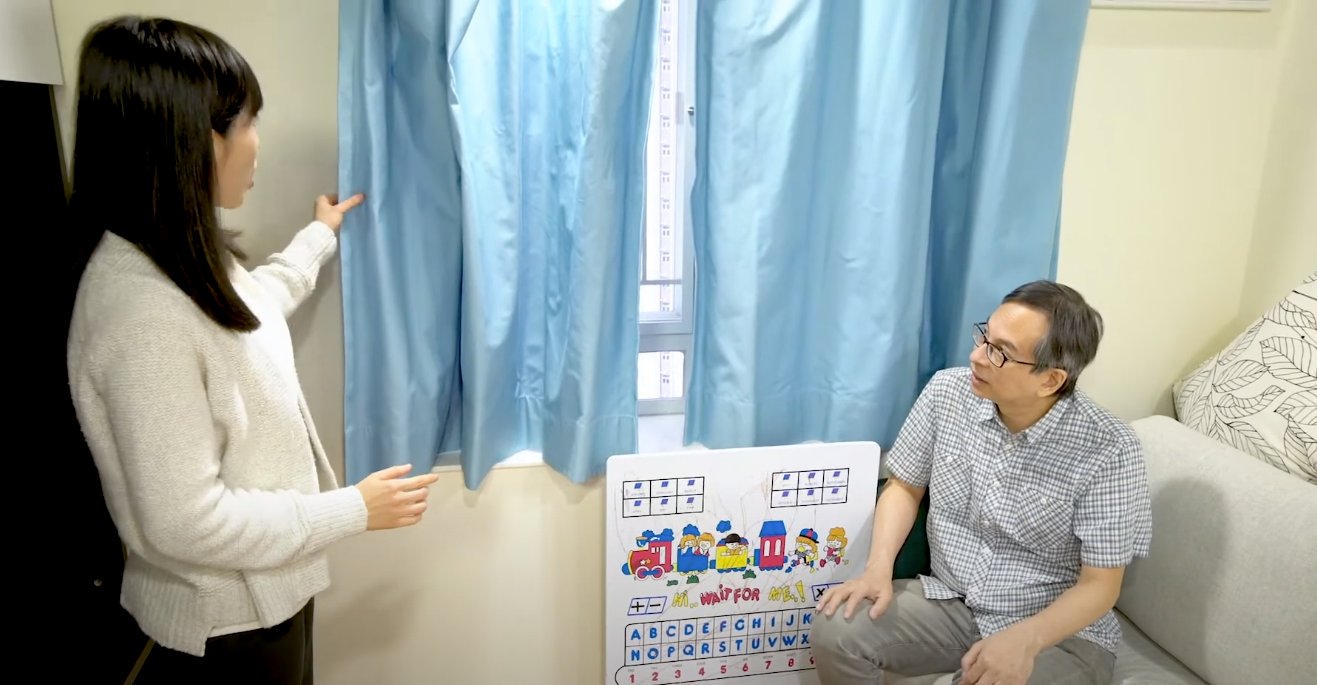
Residence: Create user-driven, safe, barrier-free, and dementia-friendly living environments to meet the diverse needs of users.
Community: Build sustainable, adaptable, and inclusive community environments and services to enhance residents' sense of security, vitality, and neighbourhood connection.
Engaged Lifestyle
Wellness of Body and Mind, Joyful and Inclusive Community Life
Physical Well-being: Engage older adults in regular physical and cognitive activities to maintain their physical health and cognitive well-being.
Mental Well-being: Raise older adults' emotional and mental awareness, and help them maintain a positive and optimistic outlook.
Social Well-being: Foster community participation to build a sense of belonging and strengthen social ties.
Active Ageing
Autonomy and Empowerment, Nurturing Healthy Longevity
Self-health management ability: Equip older adults with the skills to maintain their health, prevent illness, and manage chronic conditions or disabilities.
Empowerment: Enable older adults to make informed decisions about their health and become active agents in maintaining their well-being.