

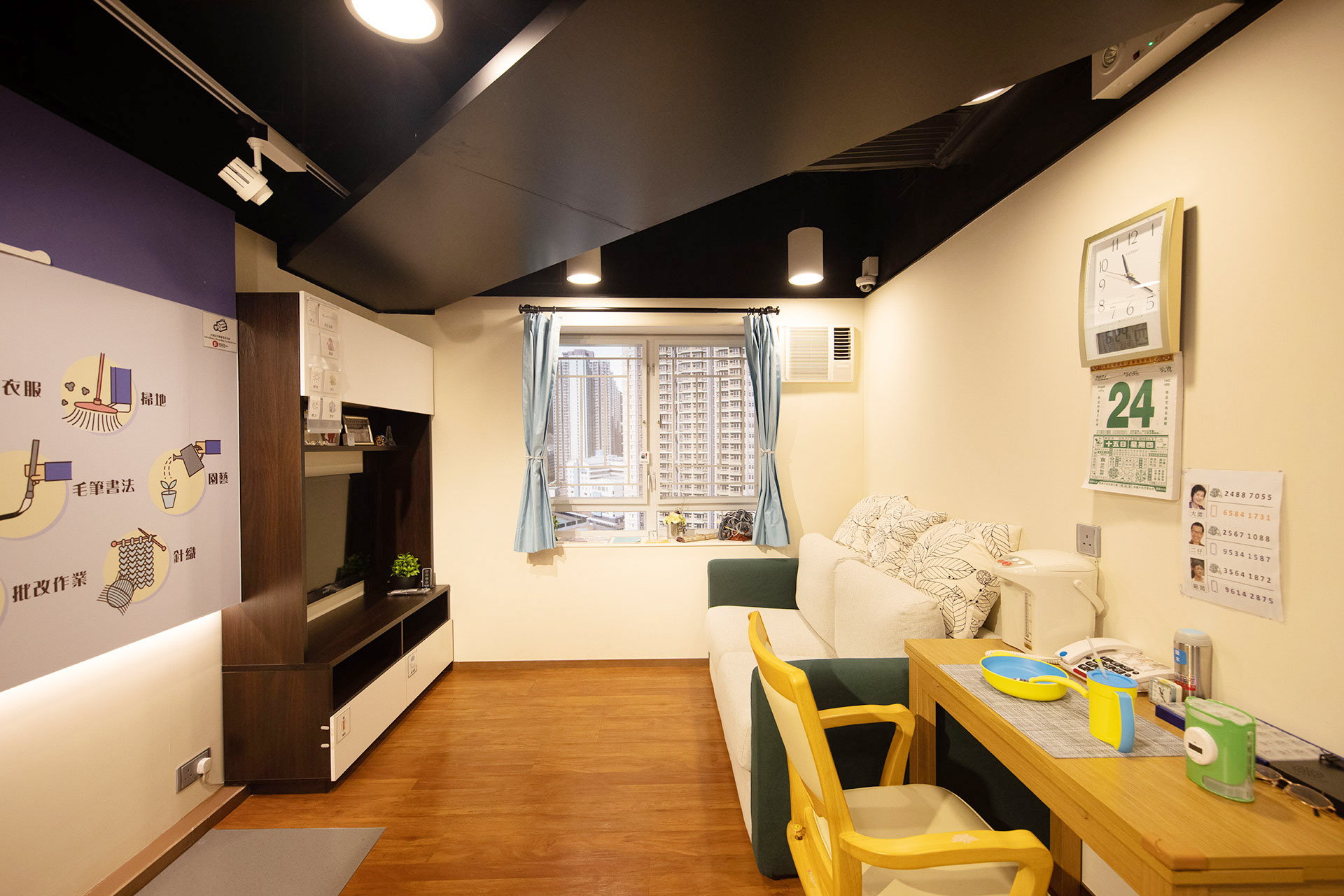
As people age, the natural ageing process brings about varying degrees of changes in sensory functions (such as vision, hearing, smell, and touch), physical abilities (such as reaction time and balance), and cognitive functions (such as attention and memory). These changes create corresponding needs for their living environment.
An age-friendly home is a thoughtfully designed living environment that supports older adults by addressing their evolving needs throughout the ageing process. It is a key environmental factor in achieving ageing in place. Centred on user needs, age-friendly homes emphasise safety, convenience, accessibility, and cognitive support. These features help enhance the overall quality of life for older adults, allowing them to live safely and comfortably in familiar surroundings.
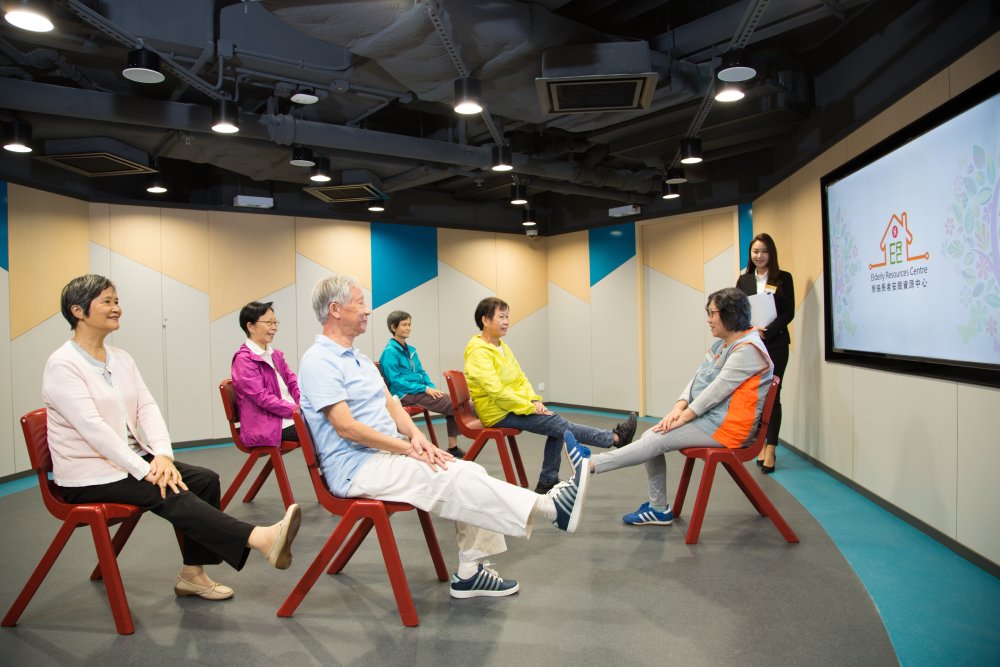
User-Driven
An age-friendly home is designed from the user's perspectives — older adults and their carers. By focusing on their needs and experiences, the home environment is tailored to support ageing in place.
Safe, Convenient and Barrier-free Living Environment
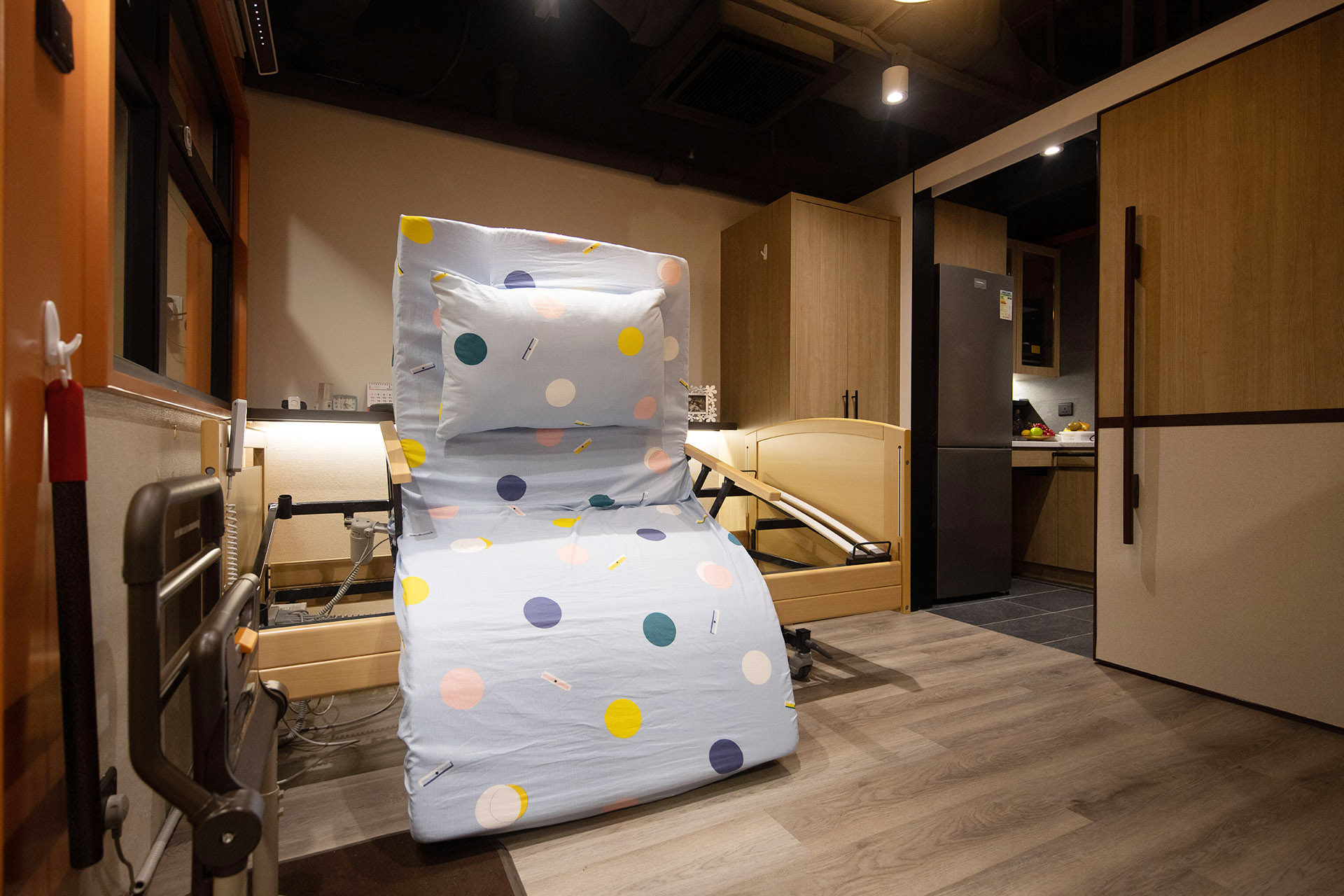
To help reduce the risk of accidents, support older adults in carrying out daily activities, and adapt to their changing health needs as they age. Below are some examples of age-friendly home features:
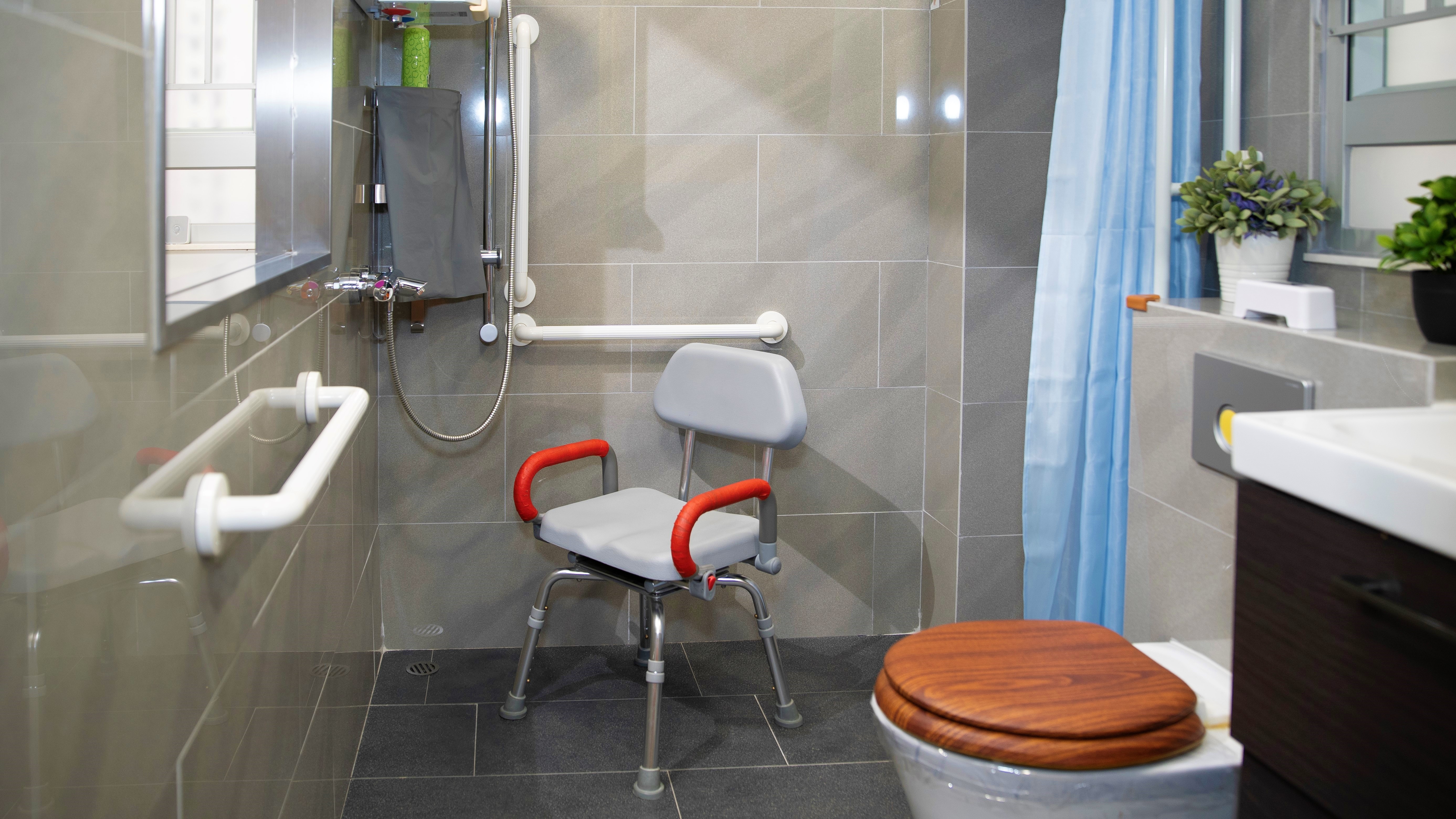
Bathroom
Replace a bathtub with a step-free shower or install grab bars in the bathroom to reduce the risk of falls caused by decreased balance or lower limb strength.
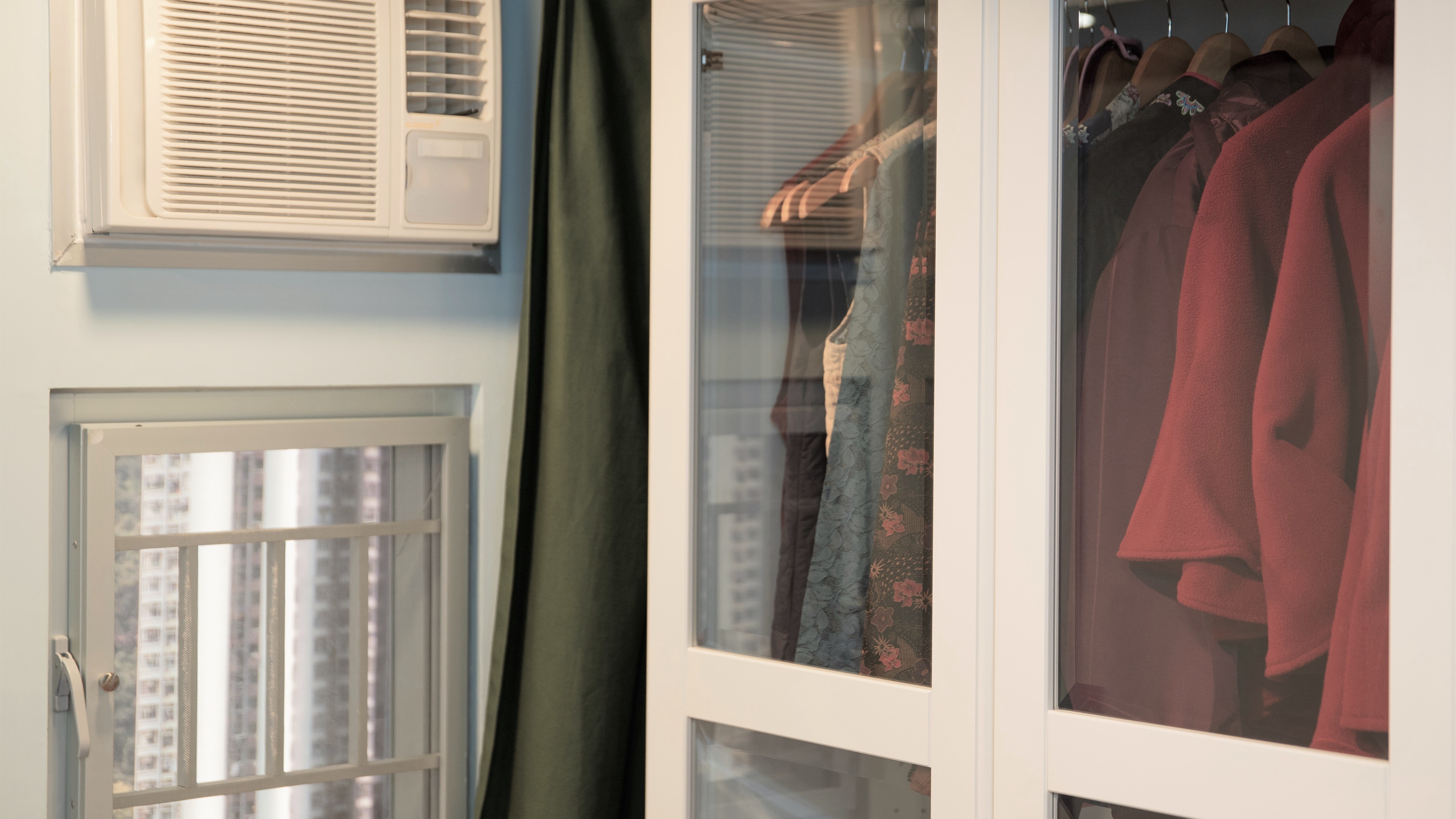
Bedroom
Opt for open or transparent storage designs for wardrobes, allowing older adults to locate stored items more easily.
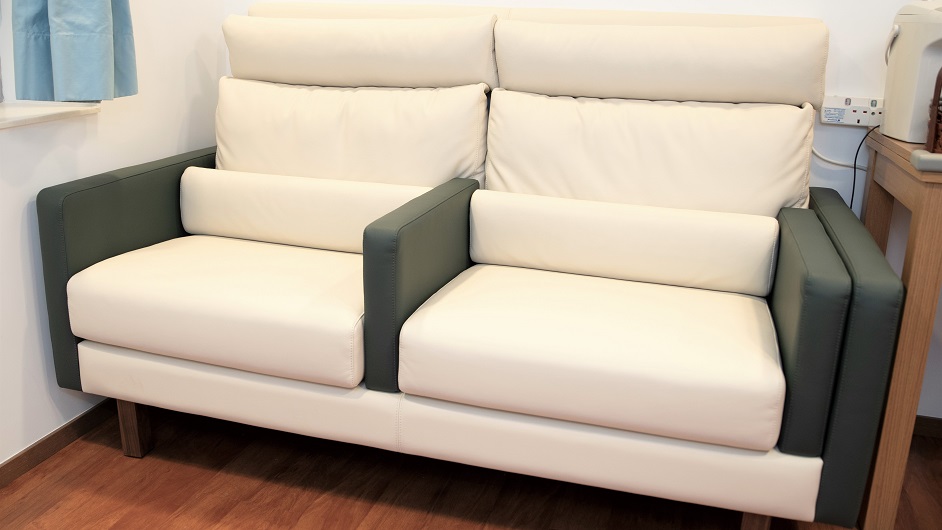
Living Room
Place armrests on both sides of sofas and chairs, as well as between seats, to provide support for older adults when standing up.
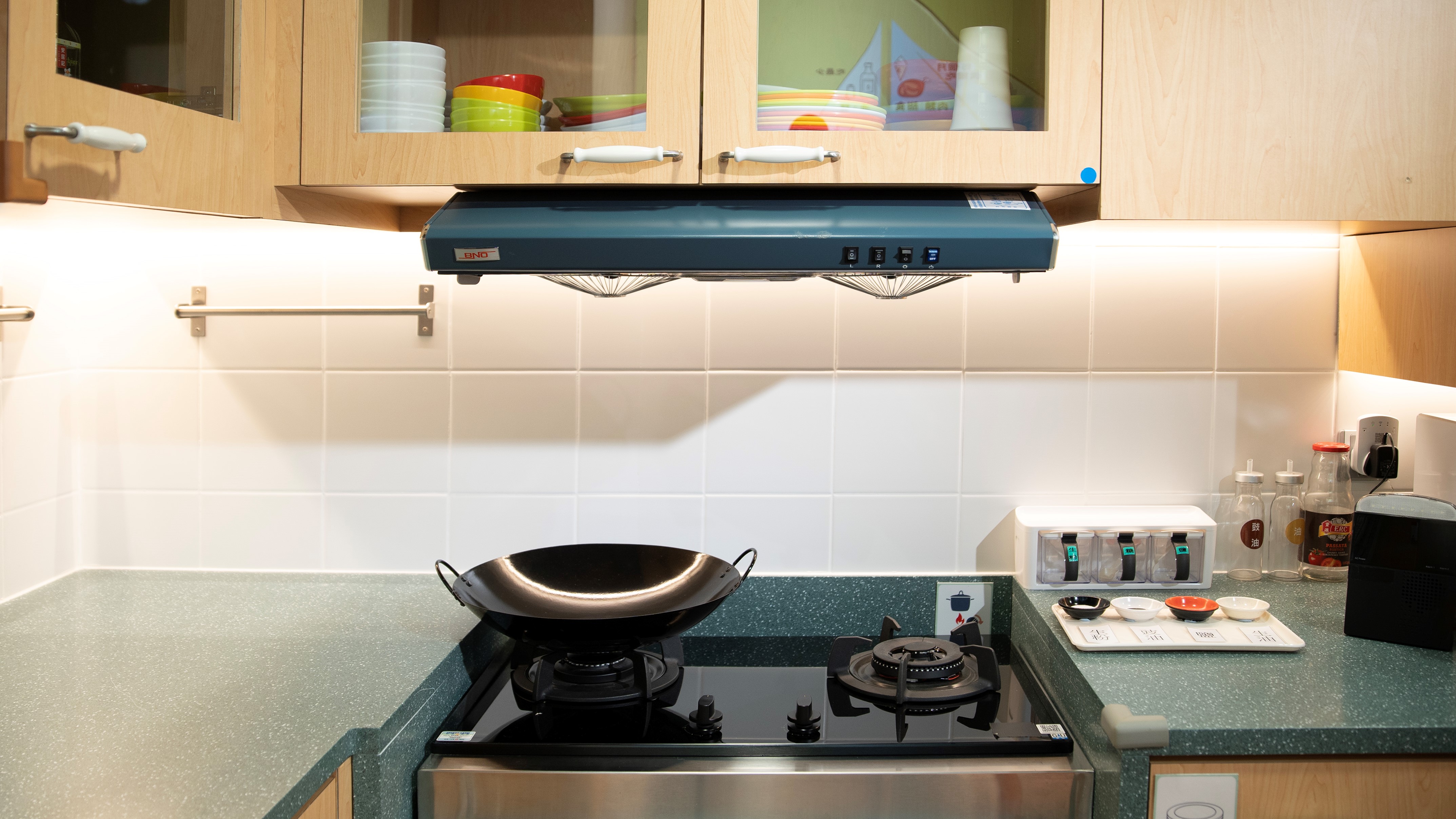
Kitchen
Use flameless cooking appliances or stoves with automatic shut-off features to enhance safety for older adults, and help prevent accidents caused by those experiencing memory decline, who may forget to turn off the stove after cooking.
Mind-Friendly Home
By optimising the home environment and providing assistive tools and technological products, the aim is to reduce the feelings of confusion for individuals with dementia, thereby improving or maintaining their mobility and independence.
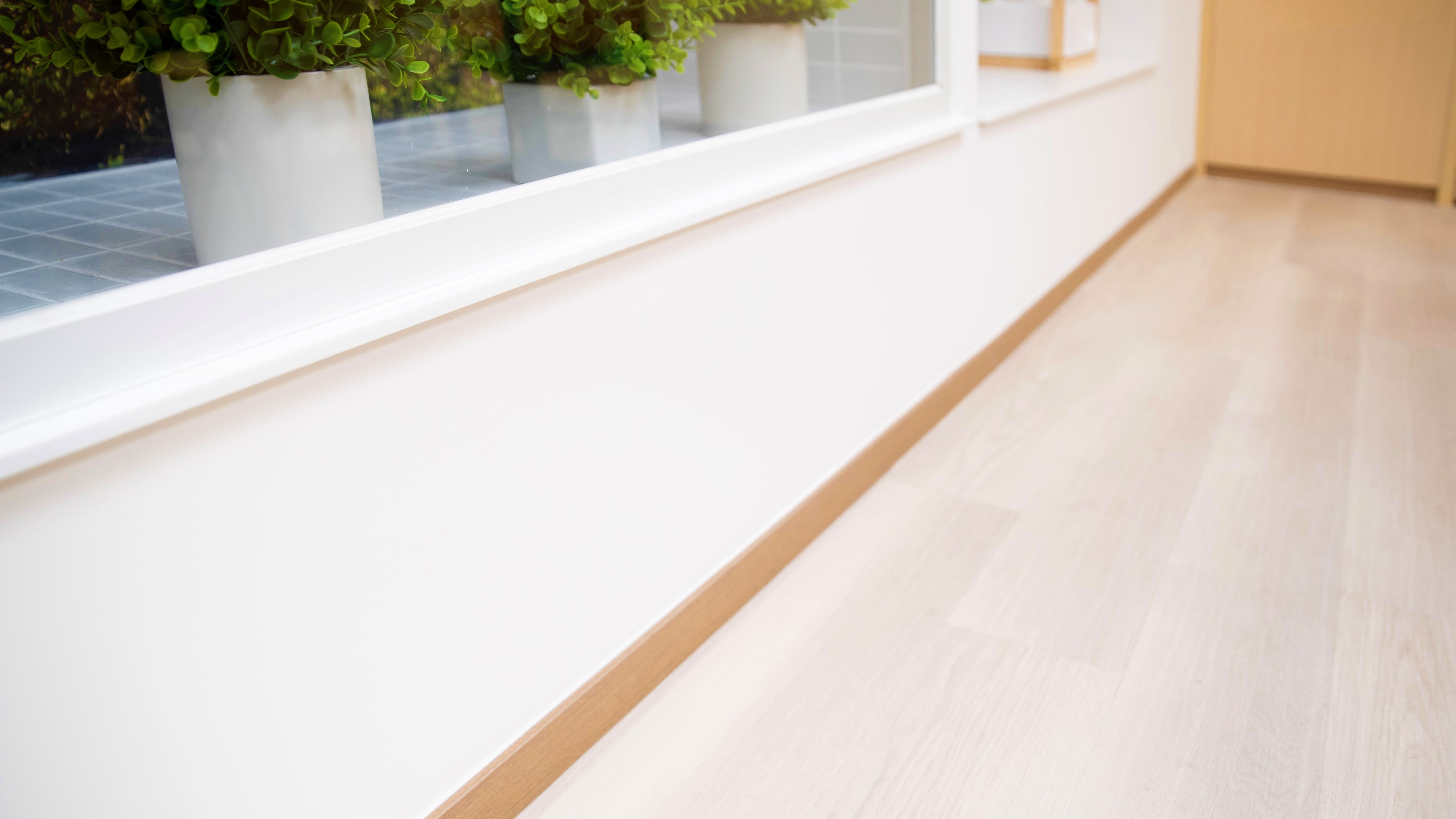
Create Safe Environment Without Restriction
Minimize potential risks, such as inadequate lighting and kerbs, and incorporate unobtrusive safety features. Maximize safety while supporting older adults' meaningful engagement and independence without imposing visible restrictions.
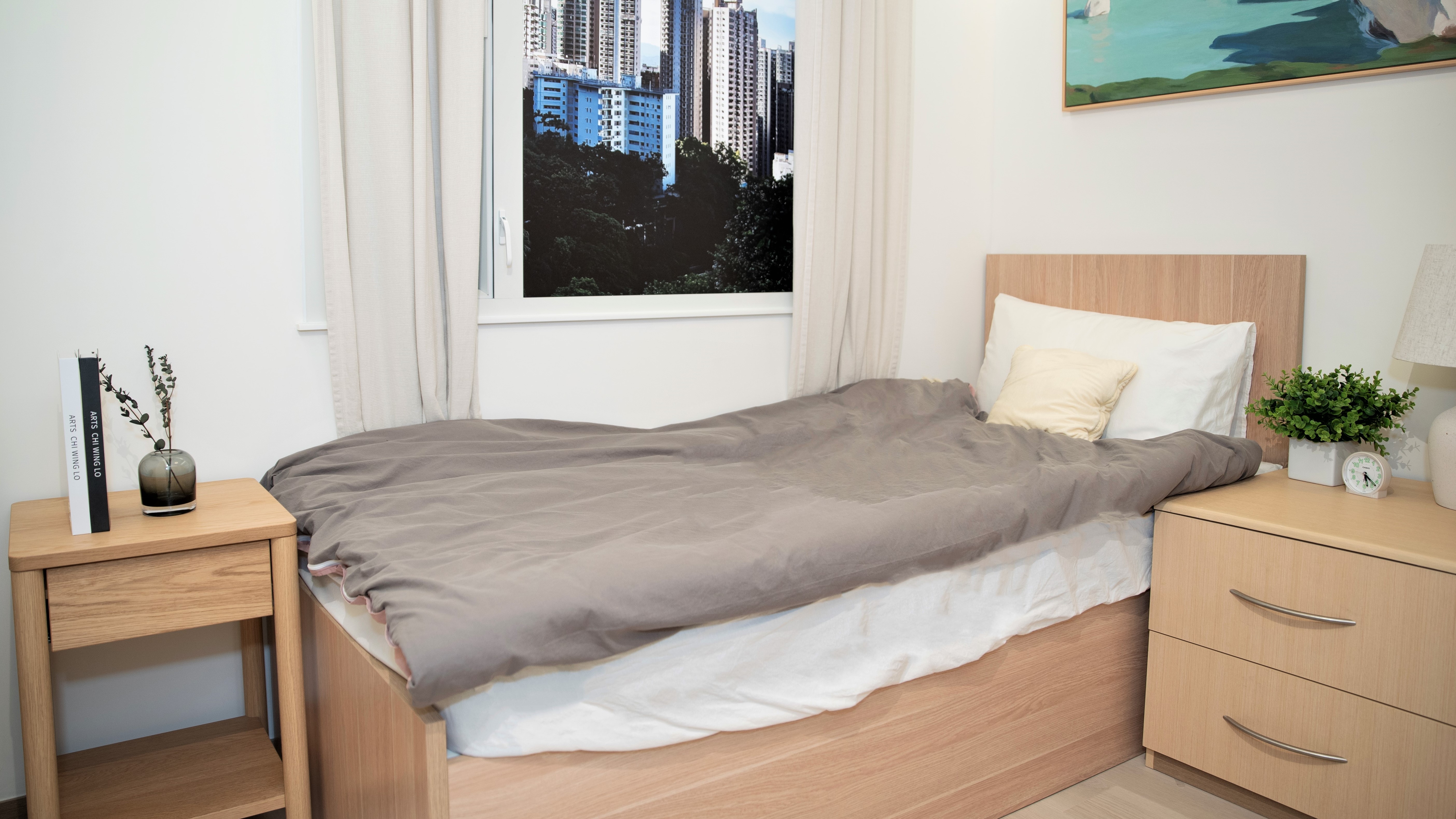
Reduce Unhelpful Sensory Stimulation
Minimize exposure to unhelpful stimuli, e.g. avoid using overly decorative or patterned flooring, curtains, and other furnishings, and minimize unnecessary noise to reduce environmental distractions.
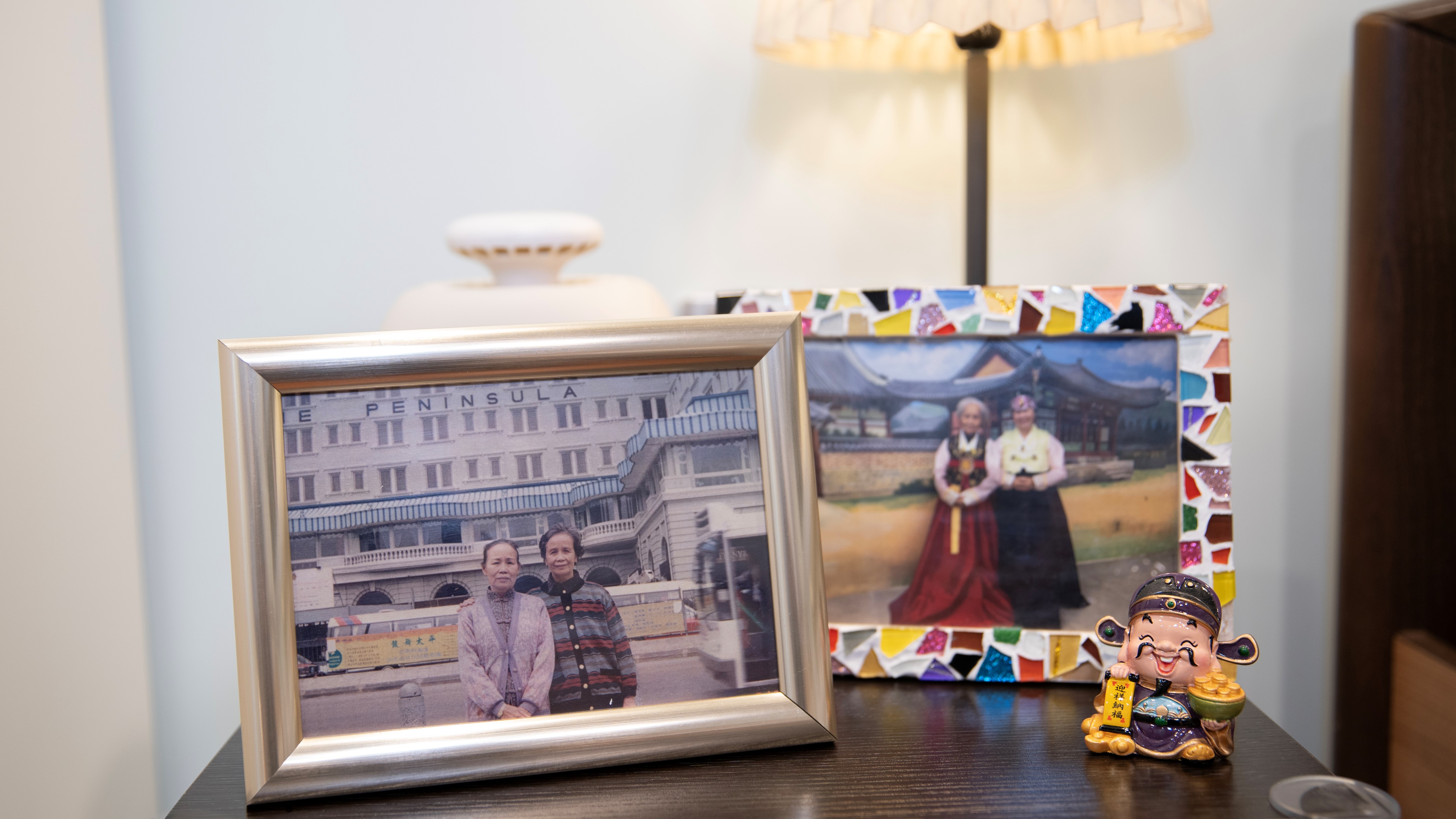
Create a Familiar Environment
Use familiar designs, furniture, fittings and colours, such as family photographs and personalized decorations, to create a familiar environment that supports comfort, reinforces familiarity and helps older adults maintain competence.
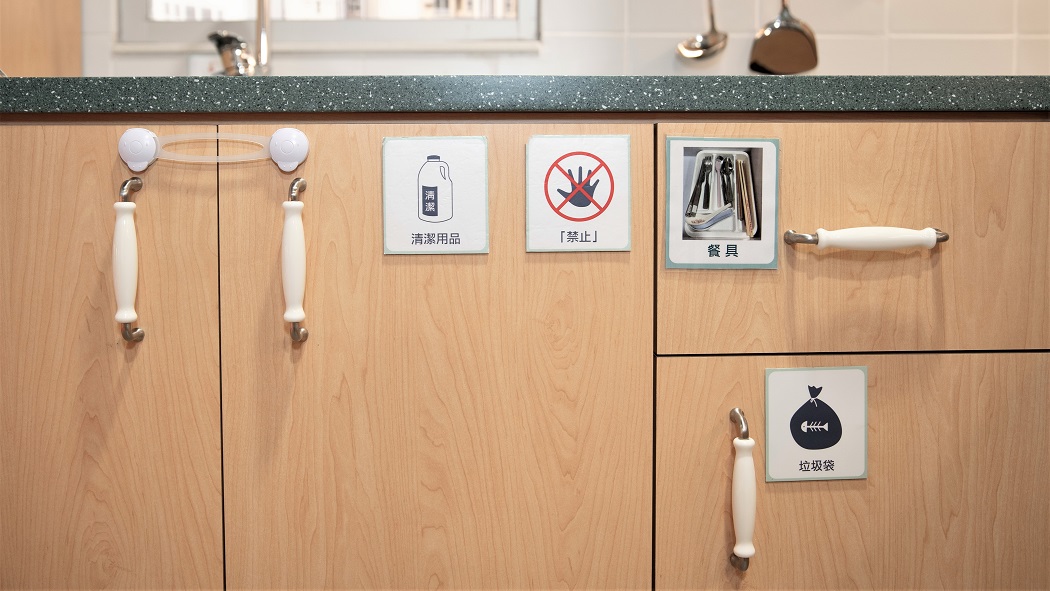
Utilize Design for Easy Recognition
Establish clear environments with good visual access to reduce confusion and support recognition, encouraging environmental exploration and activity engagement. Avoid overly modern or abstract interior designs, and provide clear signage when necessary.
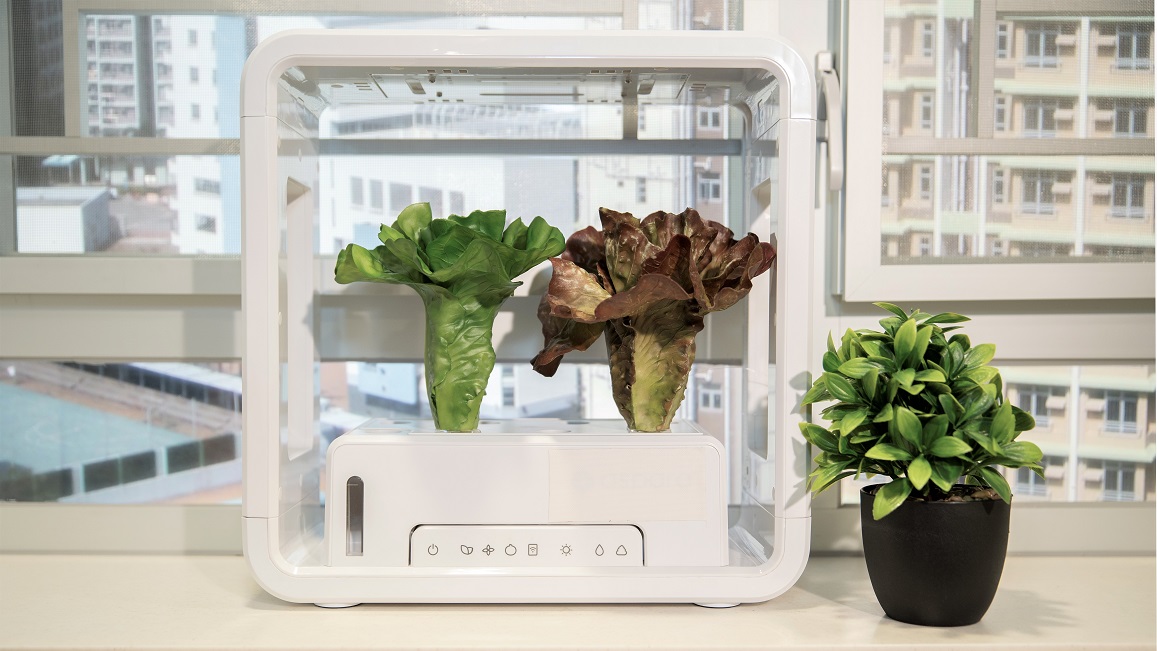
Provide Optimised Sensory Stimulation
Provide optimized visual, auditory, and olfactory cues to reduce confusion in older adults. Tailor cues to individual needs to support orientation and enhance recognition. Display items of interest to engage the senses, such as potted plants.
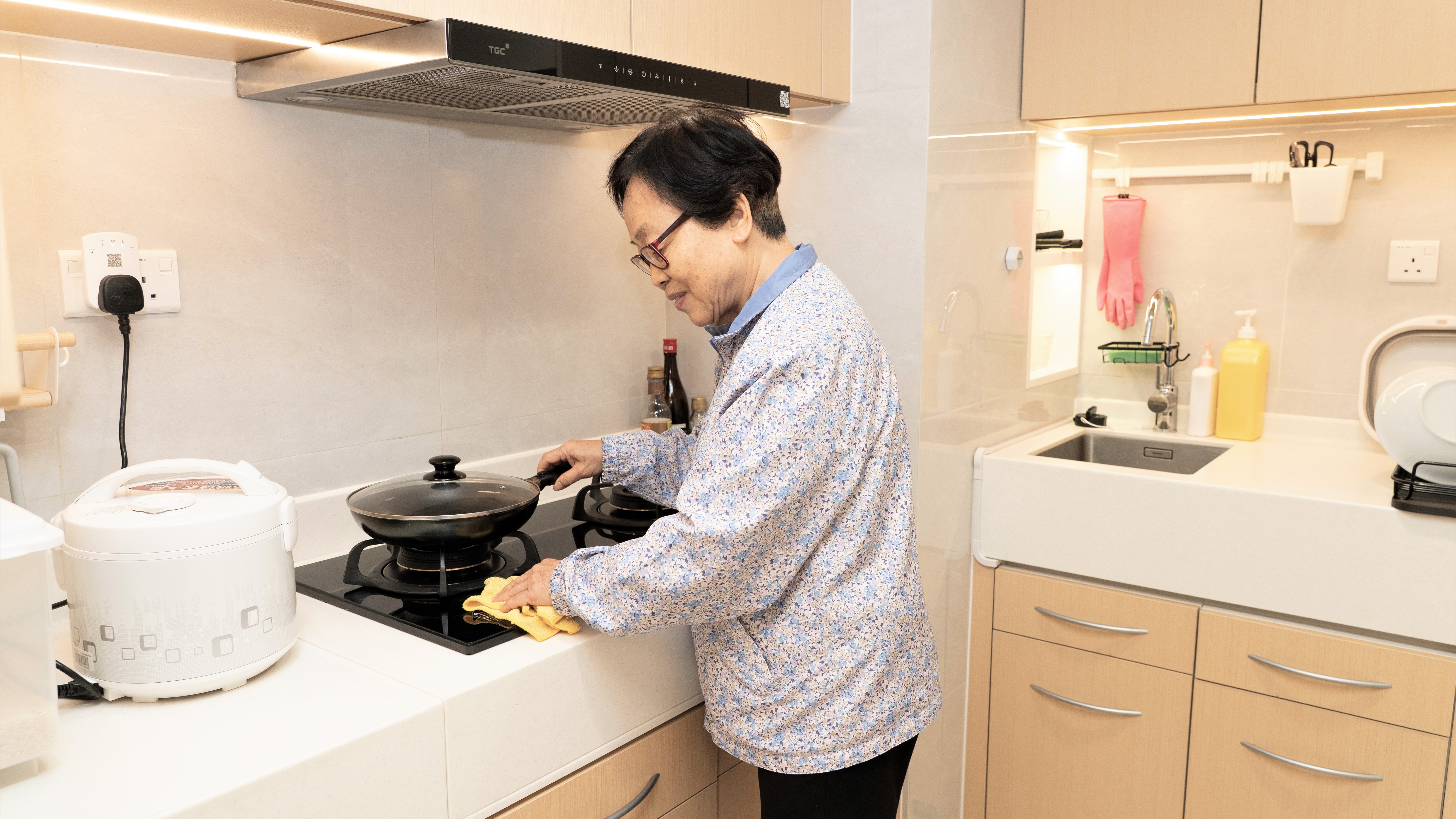
Support Activity Engagement
Clear, obstacle-free pathways and supportive environments, combined with appropriate guidance and assistive tools, encourage older adults to participate in daily tasks and engage in meaningful activities.
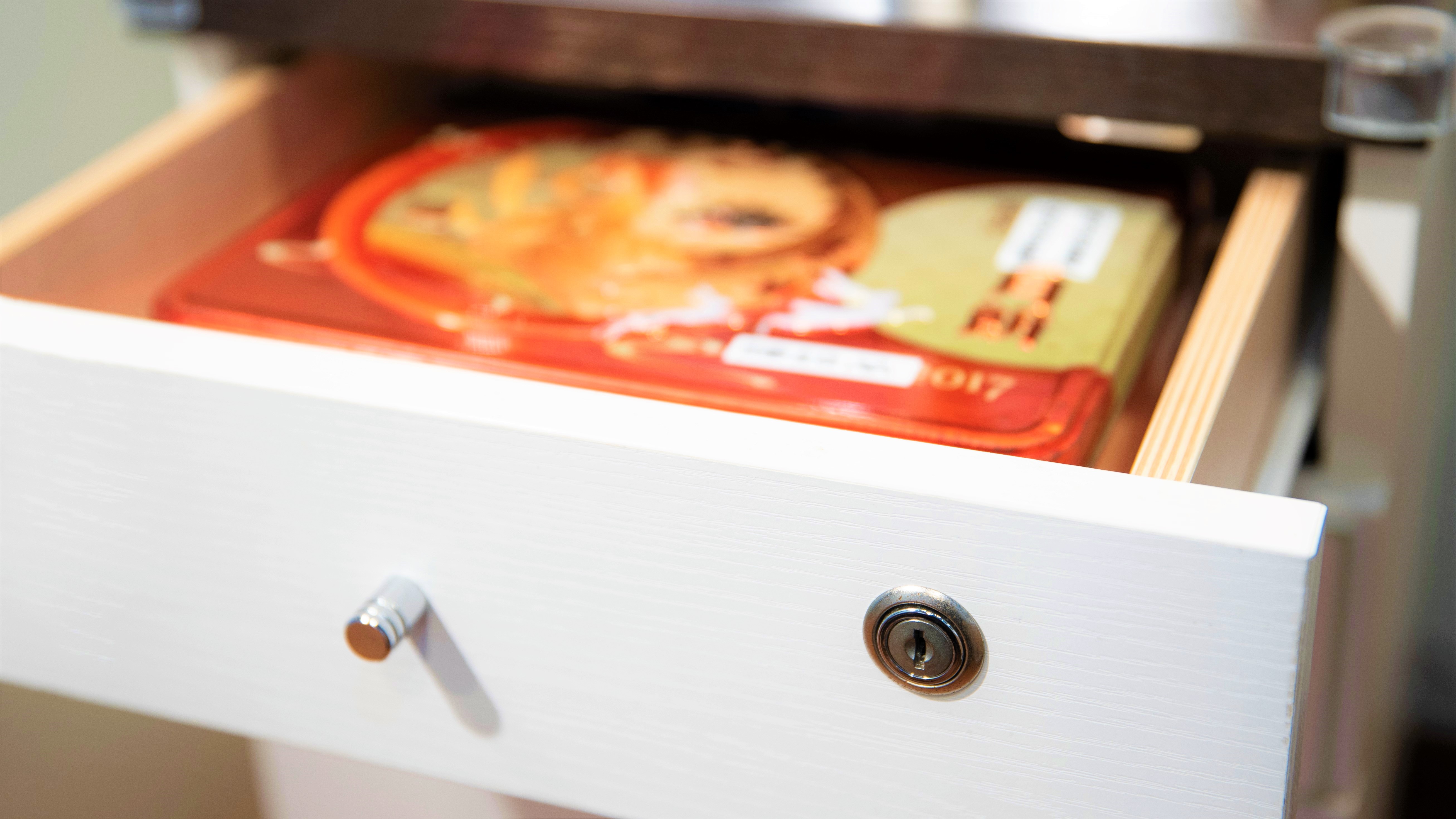
Provide Spaces for Privacy and Social Interaction
Provide older adults access to varied spaces for solitude or social interaction. Design purposeful settings, such as safe storage and areas for family or carer interaction that cue meaningful activities.
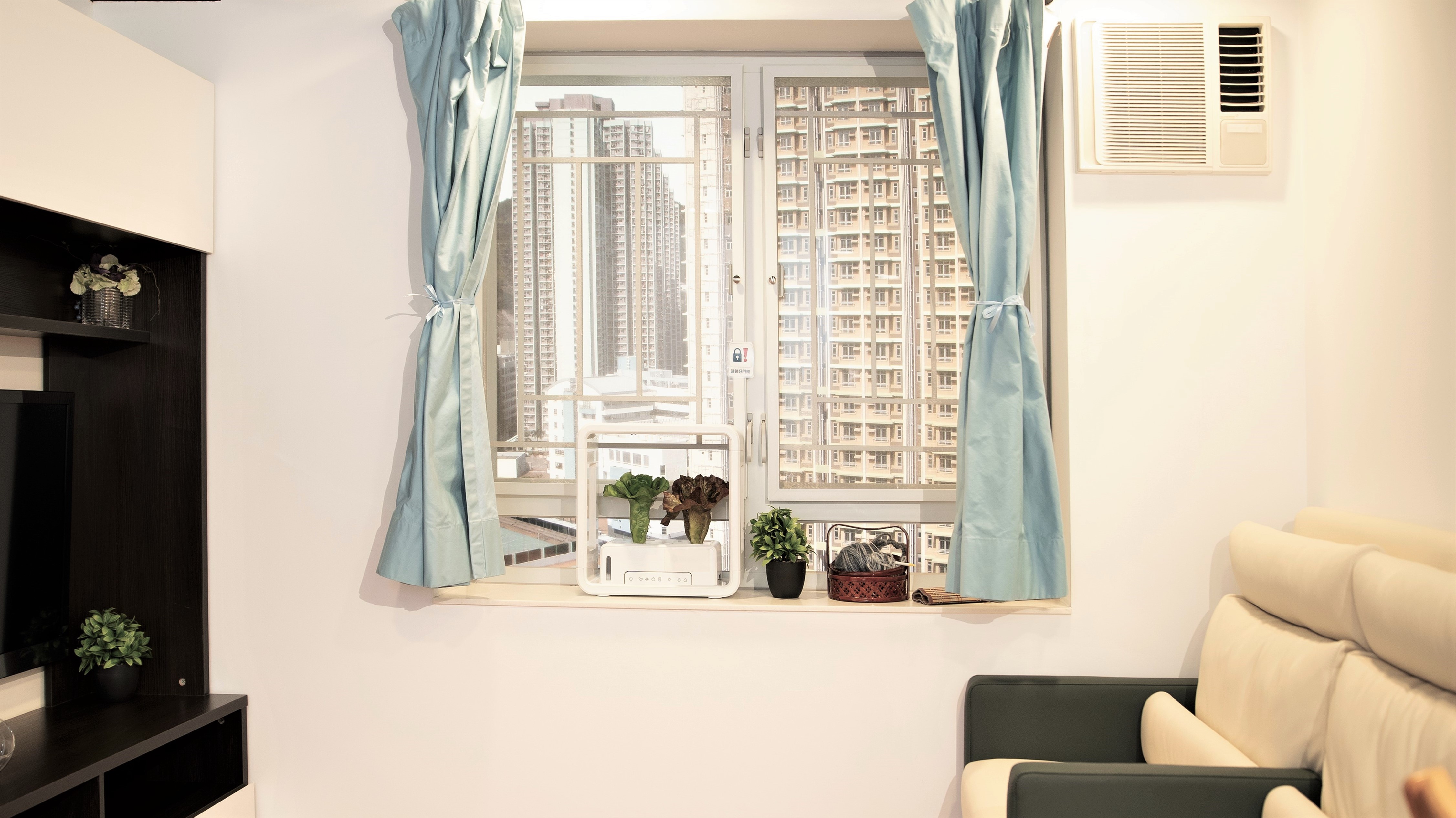
Foster an Enabling Environment for Meaningful Living
Create a barrier-free environment that empowers older adults to engage in activities they find meaningful and fulfilling.
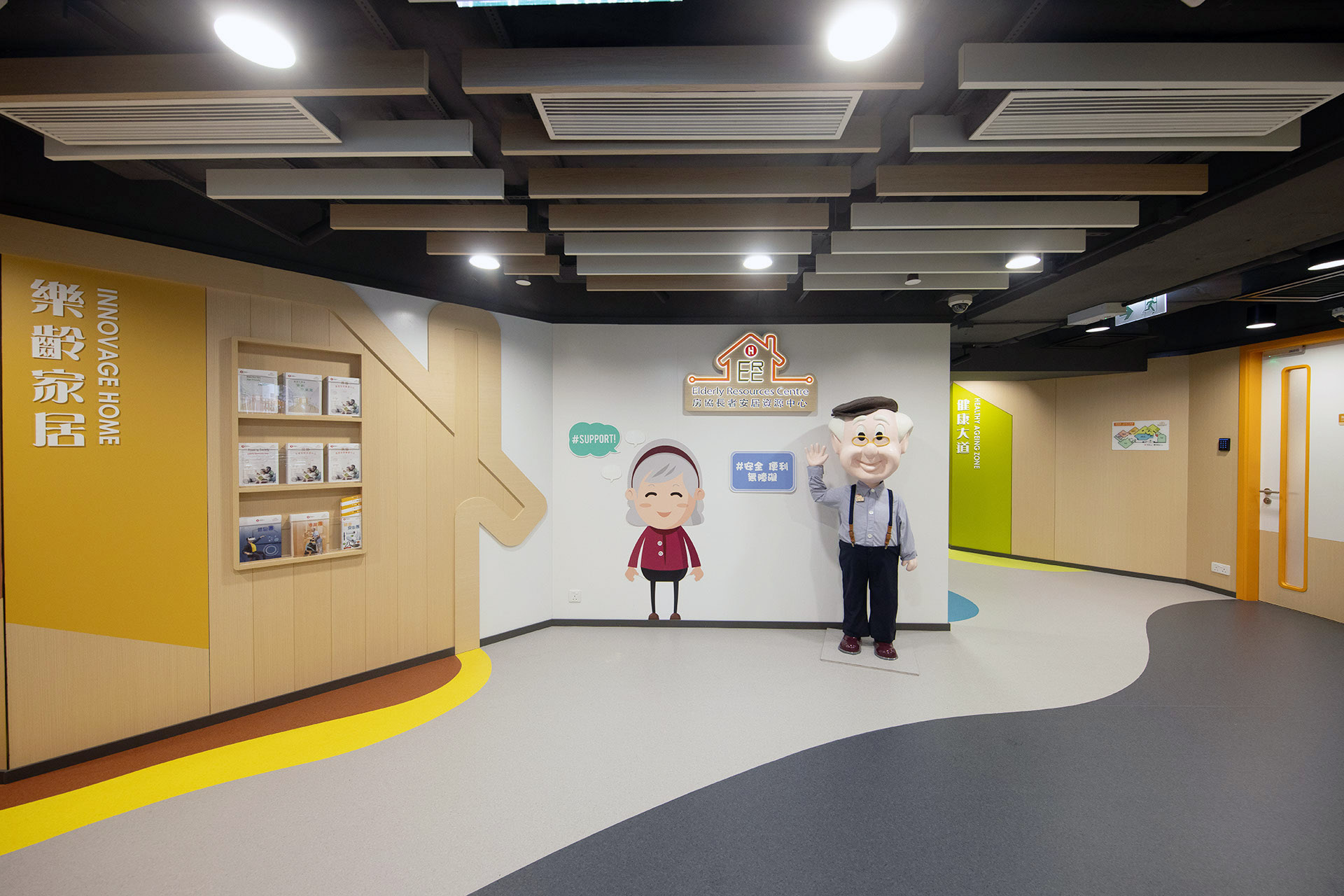
In addition to promoting age-friendly home concepts, the Centre actively advocates for the implementation of ageing-in-place practices through three key dimensions: community environment, lifestyle, and active ageing.
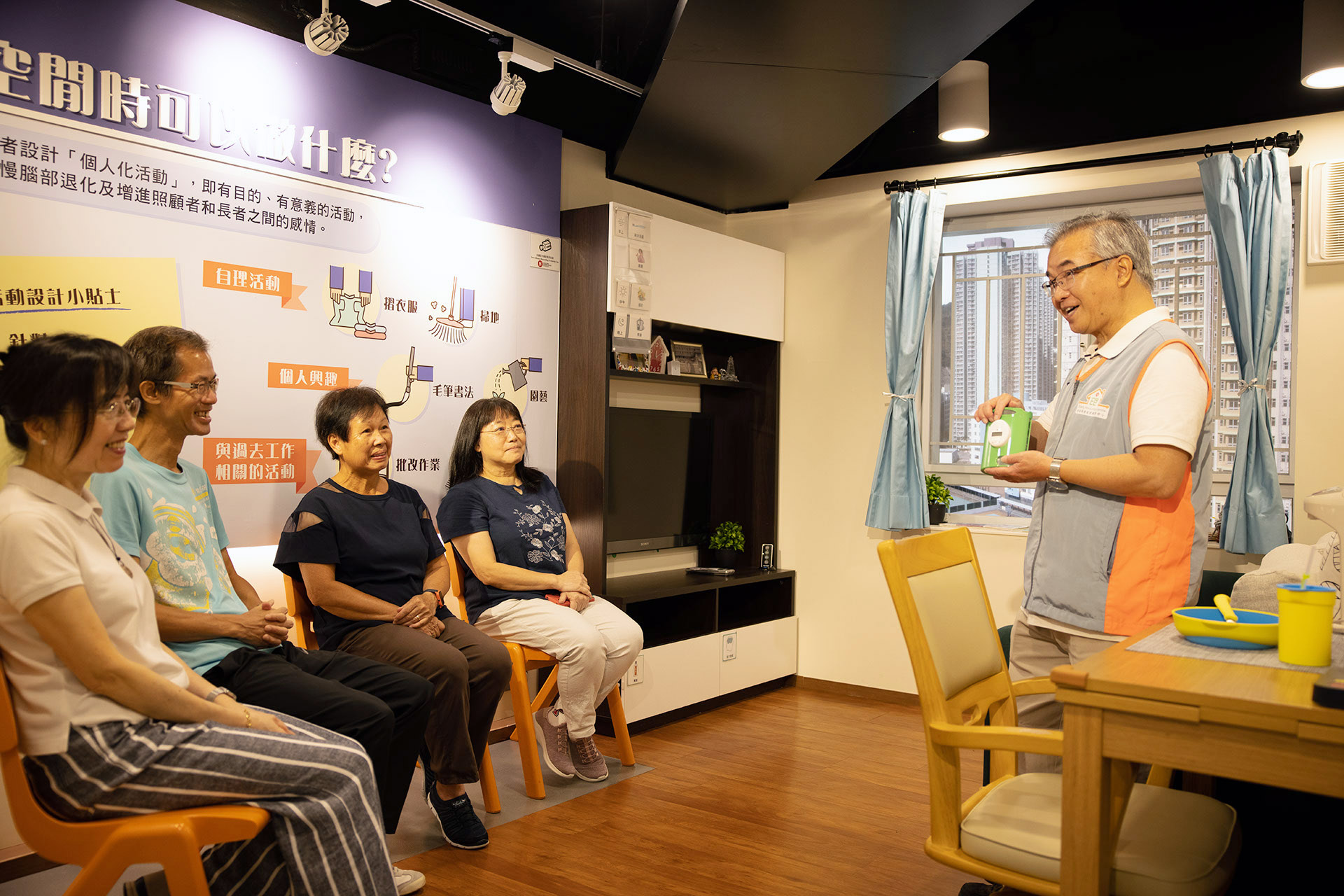
To uphold this service philosophy, the Centre offers a wide range of services, including educational tours, hands-on experiences and health assessments. These initiatives continuously raise community awareness about the importance of age-friendly home environments, empowering older adults to age in place.